Physiatry
What Is Physiatry?
It is a medical specialty dedicated to evaluating, diagnosing, and treating disabling conditions of the muscular, skeletal, and neurological systems, as well as managing pain and promoting patients’ functional rehabilitation.

Physiatric Procedures
Each psychotherapy process is tailored to the patient and their personal history. Treatment includes an initial evaluation phase to identify the underlying concerns, followed by an intervention phase designed to support academic learning in children and adolescents. The duration typically ranges from two to six months, with weekly one-hour sessions.

Nerve Conduction Studies
It is a diagnostic study that evaluates the integrity of peripheral nerves, detecting conditions such as carpal tunnel syndrome, radiculopathies, and polyneuropathies. These tests are performed by certified specialists.

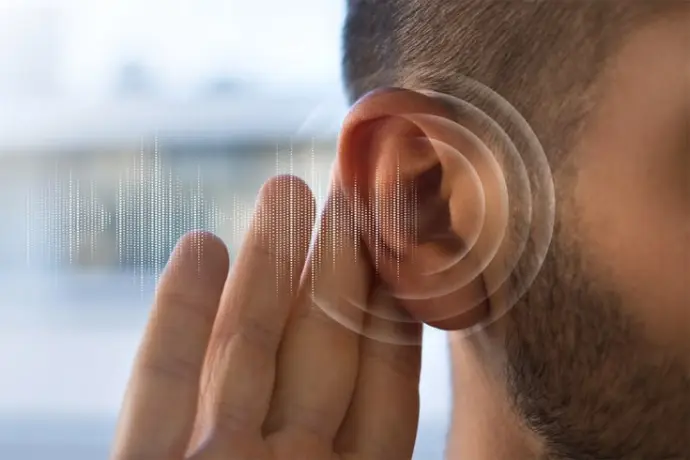
Evoked
Potentials
AUDITORY
These tests allow for the evaluation of hearing in children and help localize lesions, making them essential for the early detection of hearing loss.
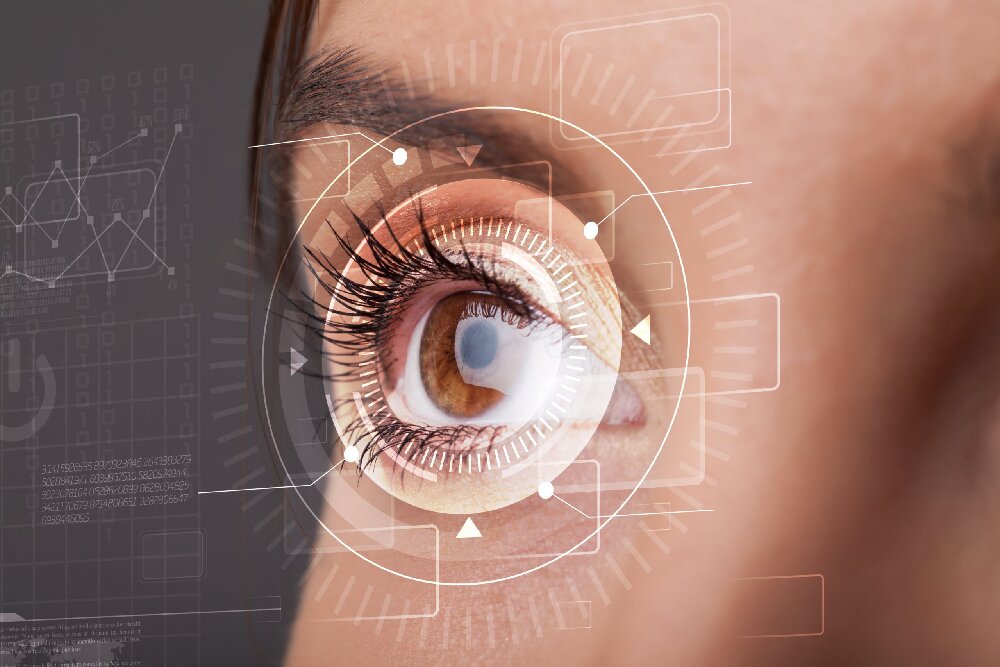
Evoked
Potentials
Visual
They are changes in brain activity produced by light stimulation, obtained through pattern-reversal and flash stimuli, and require patient cooperation during the test.

Evoked
Potentials
Vestibular Evoked Myogenic Potentials
They are evoked potentials of muscle activity recorded while simultaneously stimulating the auditory pathway to evaluate the vestibulocervical pathway.

Evoked
Potentials
Somatosensory Evoked Potentials
They are a non-invasive test that evaluates the response of the peripheral nervous system to the central nervous system, analyzing spinal cord function and subcortical recordings.

Facial Electromyography
This test evaluates the peripheral nervous system and muscles, helping diagnose neuromuscular disorders and classify them according to their severity and origin. It uses electrodes to record electrical activity during muscle contractions and is particularly indicated in cases of facial paralysis, including Bell’s palsy.

Electromyography
It is a diagnostic test used to evaluate the peripheral nervous system in various conditions by recording muscle responses through electrodes. Depending on the underlying pathology, sphincter function may also be assessed.
PHYSIATRIC PROCEDURES


1H
 ARMENIA